
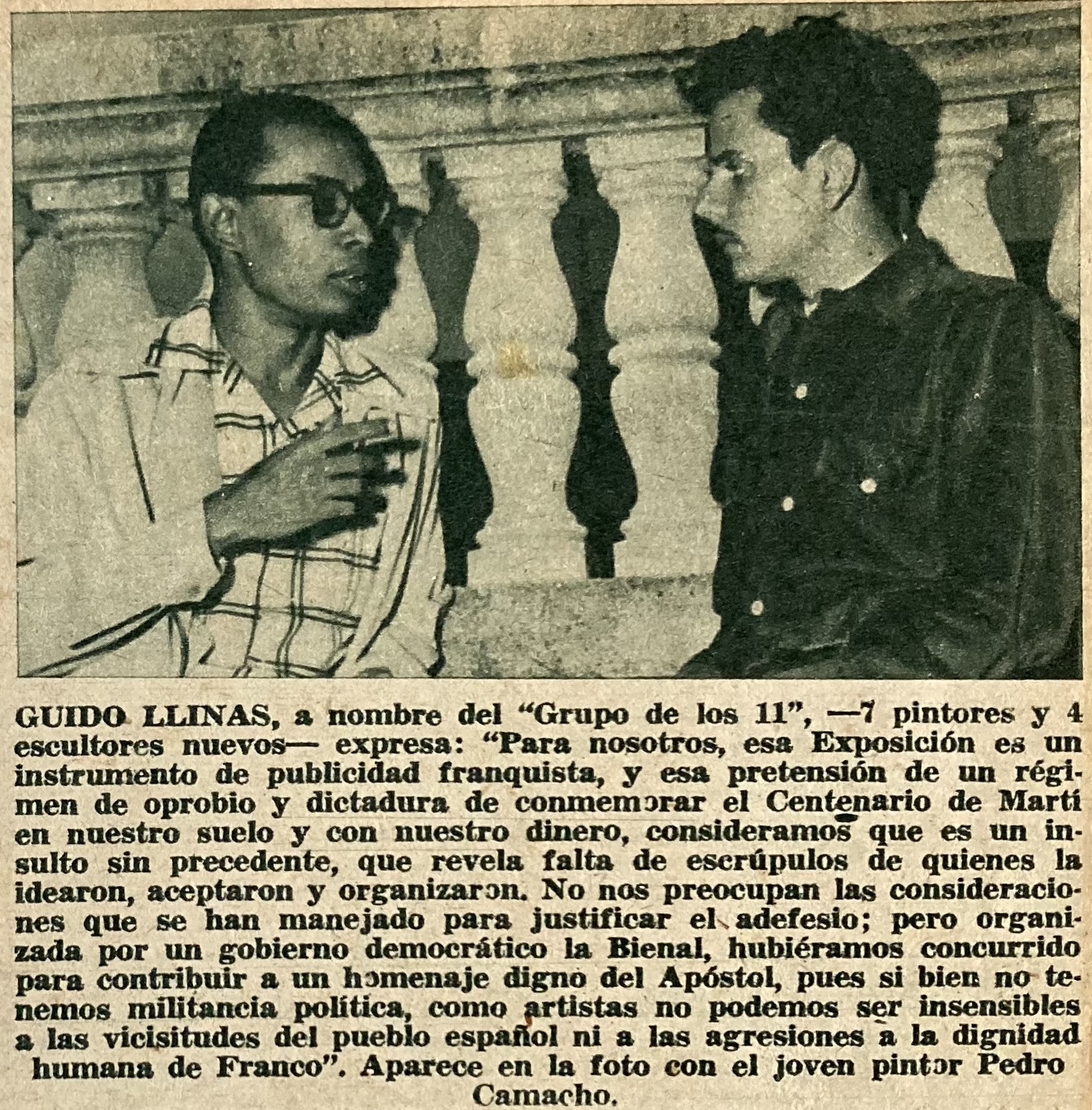
Llinás quoted on the Anti-Biennial 1954 (journal unknown, source: archive of the painter)
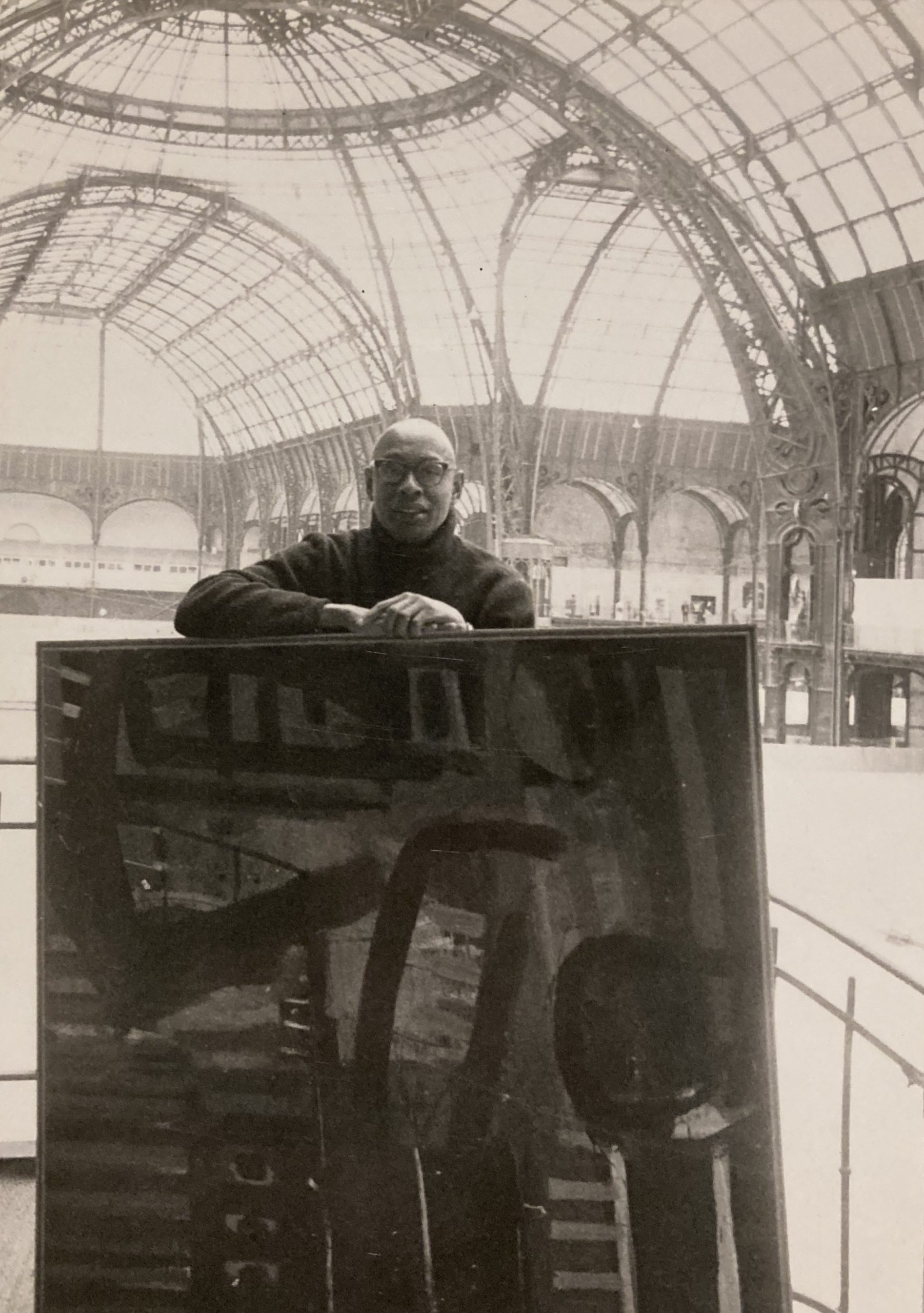
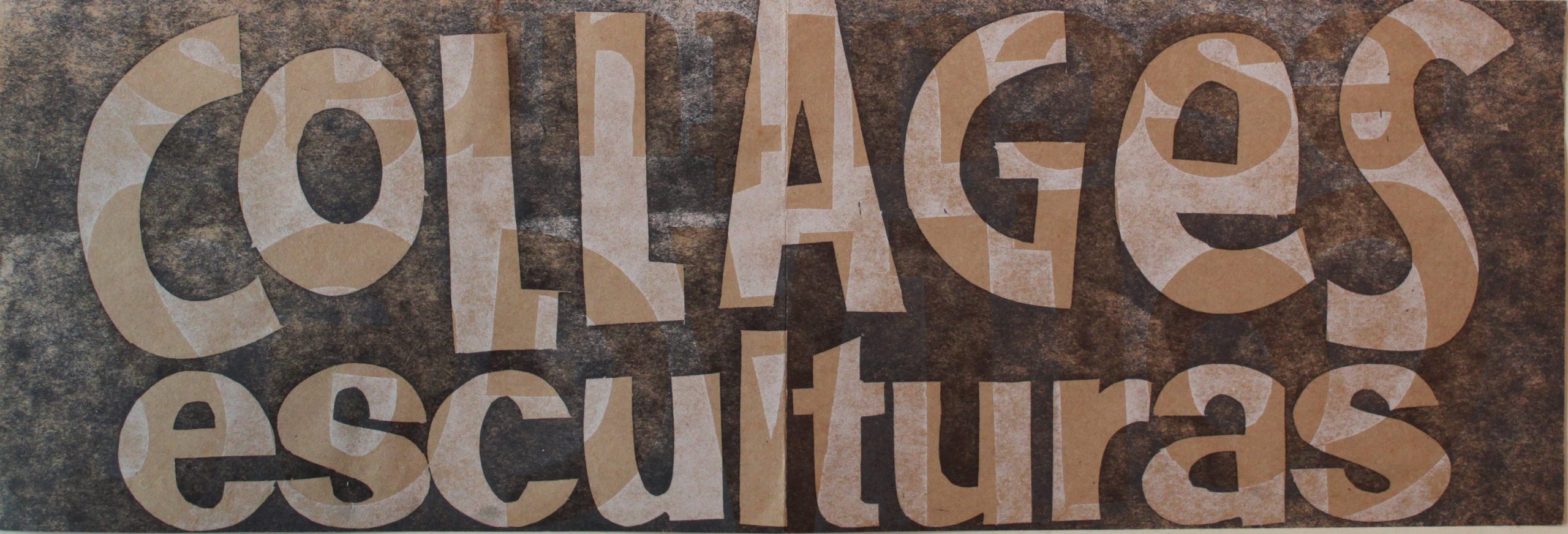

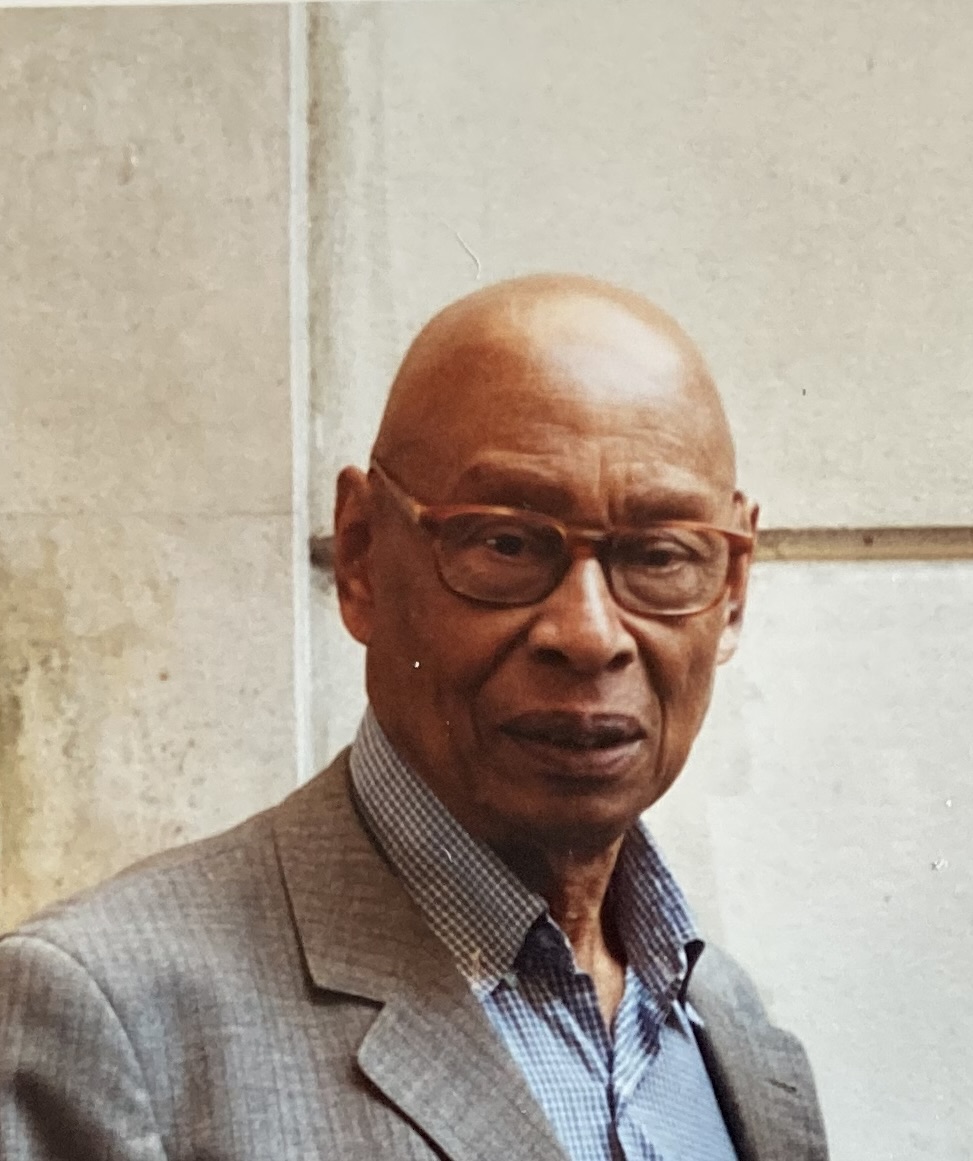
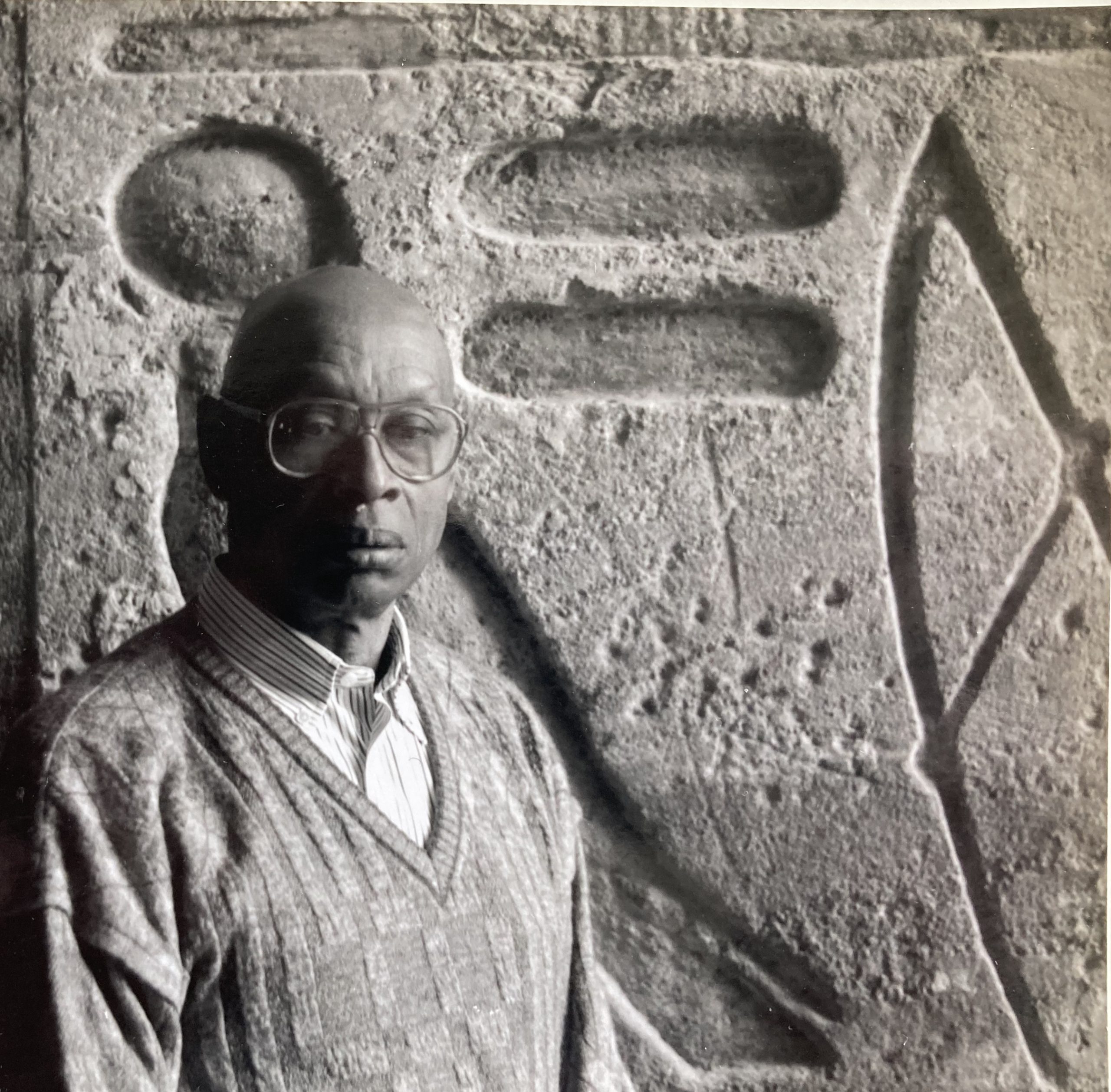
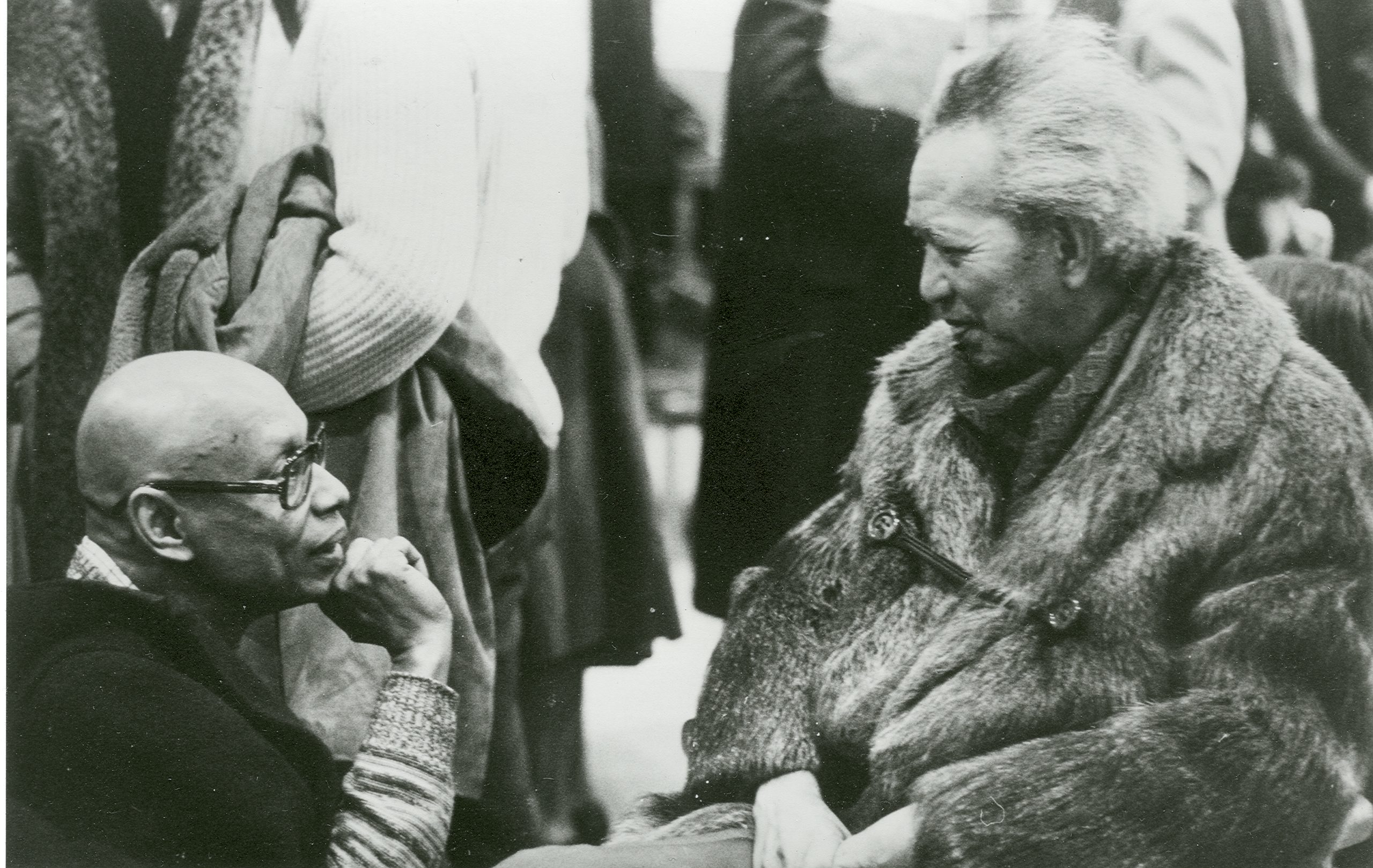
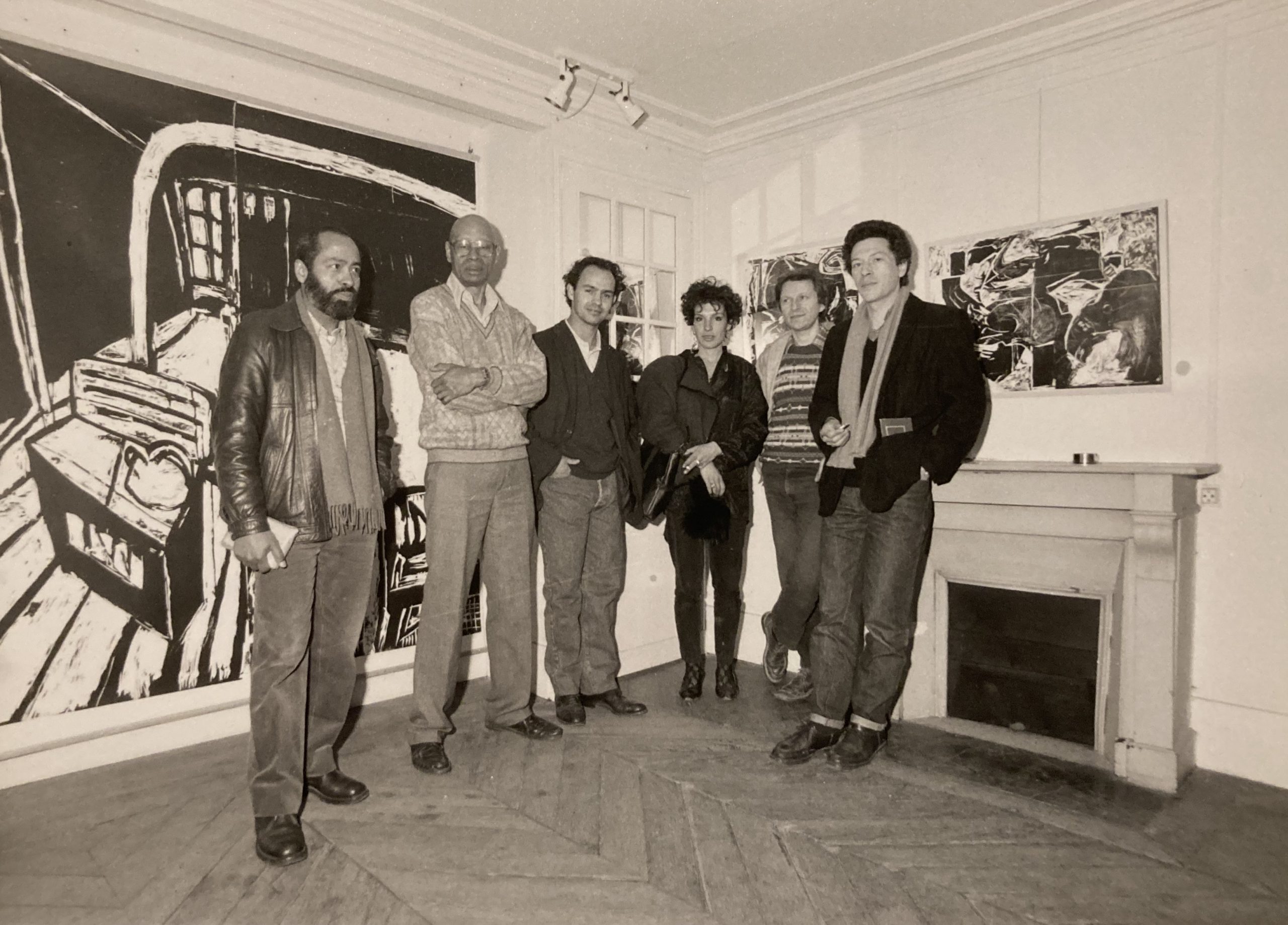
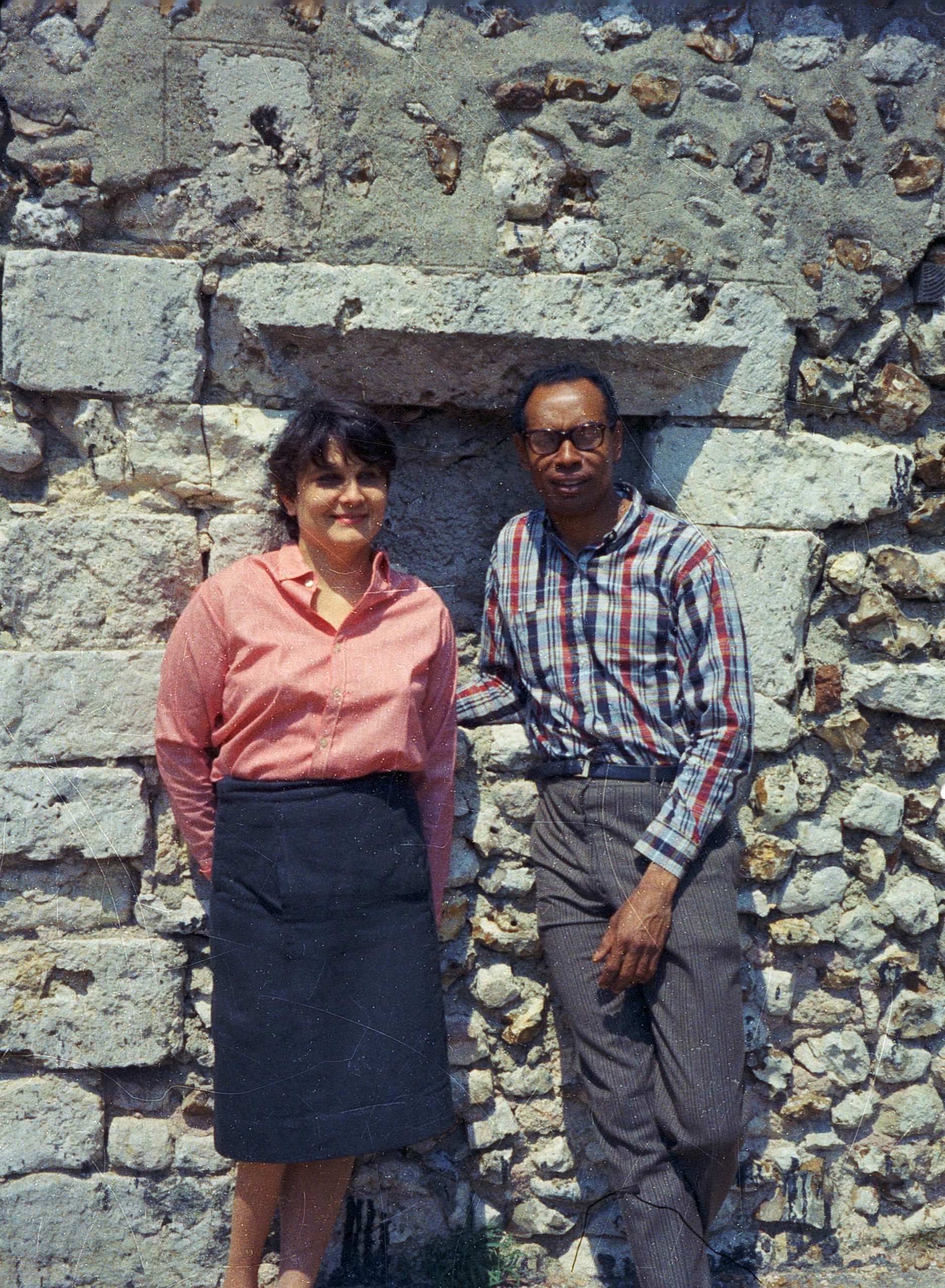
As co-founder of the avant-garde group Los Once in 1953, Guido Llinás is considered a “historical painter” in Cuba – one might rather say “mythical”, since his work is not included in the curriculum of the Instituto Superior de las Artes. (ISA). Los Once had several famous members, including painters Antonio Vidal and Raúl Martínez, and sculptors Tomás Oliva and Agustín Cárdenas. They represented the last generation of the Cuban avant-garde before 1959 (see Juan Martinez, Cuban Art and National Identity, 1994).
From the outset, Los Once intended to situate their painting at the height of international contemporary art (i.e. Western modernism). According to one version, the group introduced New York abstract expressionism to Cuba. In fact, among Los Once, not all members practiced the pure abstraction that interested Llinás. On the other hand, the Havana scene – at least, Llinás – was also receiving news of European trends (see Baragaño: 1952 in the bibliography). Llinás’ first attempts at abstraction were marked by CoBrA, in particular Corneille (archives, drawings from the early 1950s). That said, the influence of Abstract Expressionism is undeniable. It is the gesturality, the visibility of the line, the all-over practiced by Jackson Pollock, Willem de Kooning and Robert Motherwell that Llinás will retain; at the turn of the decade he will also produce an expressive variant of color-field painting.
The Anti-Biennale of 1954 – against the Batista regime – remains a famous event in which Llinás participated as Los Once spokesman.
Llinás is not only a pioneering abstractionist in the visual arts of the Black Atlantic (Paul Gilroy’s term for sub-Saharan Africa and its diasporas). Remarkably, Llinás was probably the first black artist to lead a group of predominantly white artists. He repeated the experience in France, where in 1985 he founded the Xylotraces group, a splinter group of the French branch of Xylon, an international woodcutting association.